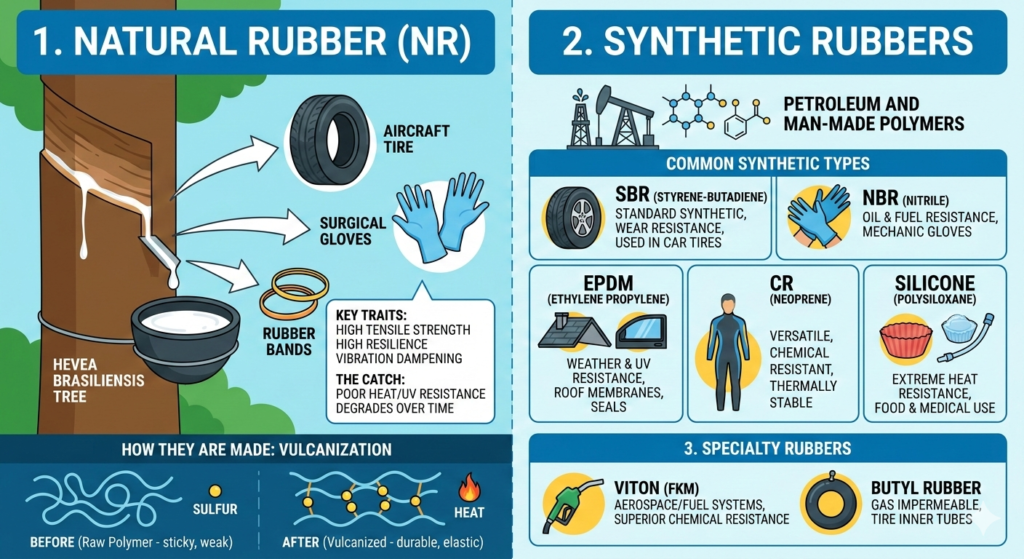
If you are looking for a Safety & Technical Instruction Sheet for a Rubber Fair—either for exhibitors handling materials or for attendees during a live demonstration—here is a concise, professional guide.
Technical Instruction: Handling & Processing (Rubber Fair 2026)
To ensure the safety of all participants and the integrity of the materials displayed, please adhere to the following protocols regarding the storage, handling, and processing of rubber compounds.
1. Storage & Environmental Control
Rubber is a “living” material sensitive to environmental shifts. To prevent premature vulcanization (scorch) or degradation:
- Temperature: Maintain storage between 15°C and 25°C. Keep away from direct heat sources or steam lines.
- Light Exposure: Protect raw compounds from direct sunlight and high-UV artificial lighting to prevent surface oxidation.
- Humidity: Ensure a dry environment; moisture can cause porosity issues during the curing process.
2. Safety & PPE (Personal Protective Equipment)
When operating machinery or handling chemical additives:
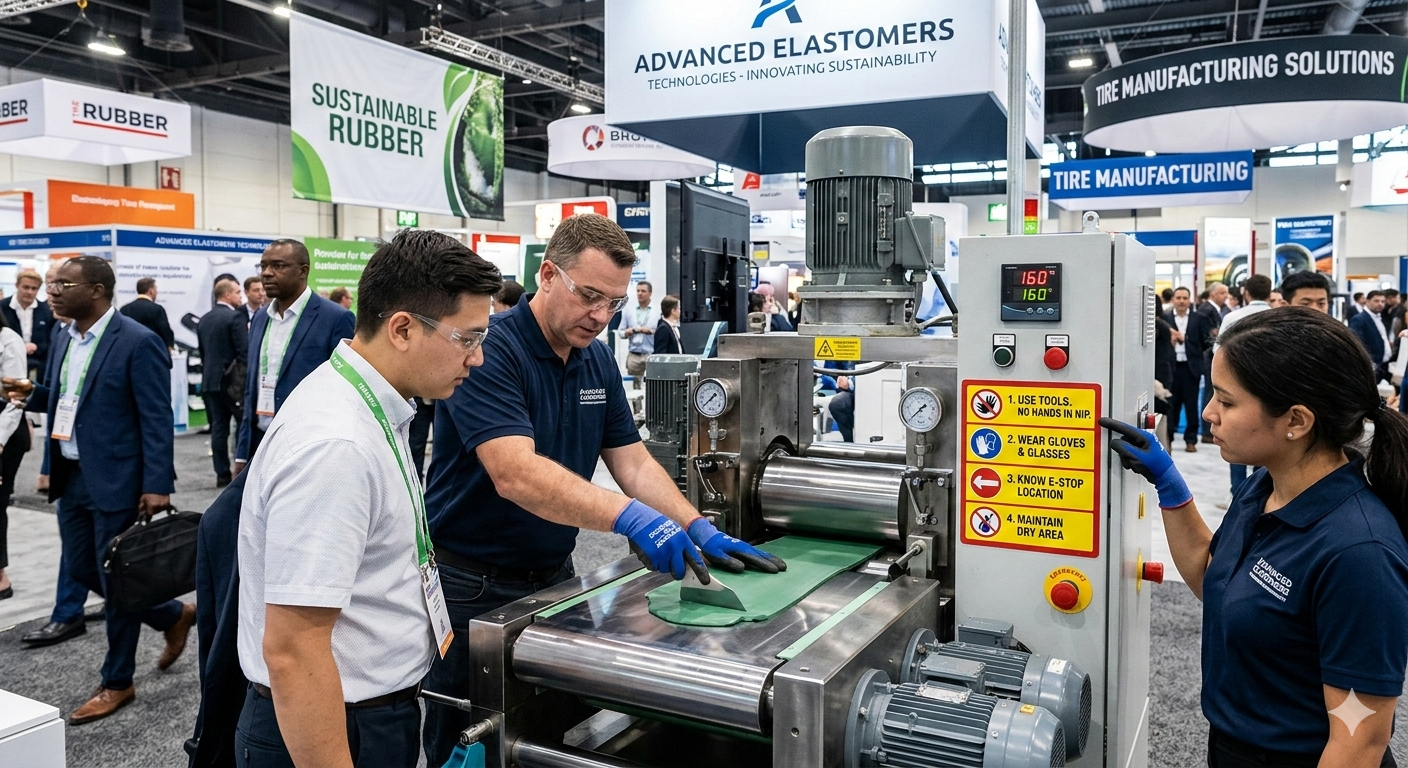
- Thermal Protection: Use heat-resistant gloves when handling molds or finished parts from presses (typical temperatures range from 140°C to 200°C).
- Respiratory Safety: Ensure adequate ventilation in the “Live Demo” zones to extract fumes released during the vulcanization process.
- Chemical Handling: Use nitrile gloves when handling accelerators, antioxidants, or uncured synthetic elastomers to avoid skin irritation.
3. Machinery Operation Protocol
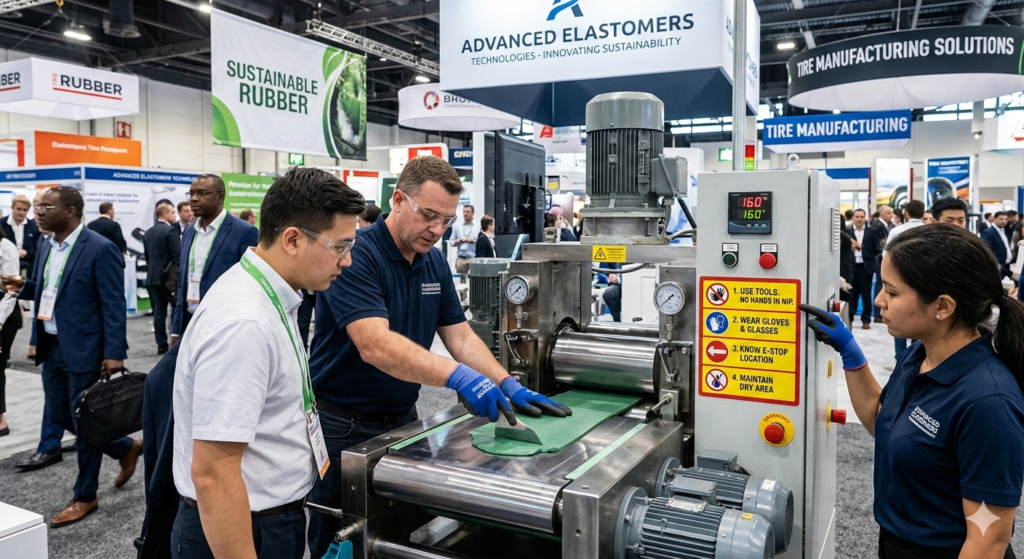
- Nip Guarding: Never reach into the “nip” of a two-roll mill. Always use the provided safety tools for cutting and folding the rubber bank.
- Emergency Stops: Identify the location of the E-Stop (Emergency Stop) bar or button before starting any mixer or extruder.
- Cleanliness: Ensure the workspace is free of “tramp metal” or debris, which can damage expensive chrome-plated molds and contaminate the compound.
4. Material Waste & Sustainability
- Segregation: Keep “green” (uncured) scrap separate from “cured” scrap. Uncured scrap can often be re-milled, whereas cured scrap must be diverted to the reclamation bin.
- Spill Kits: In the event of a liquid latex or chemical spill, use the designated absorbent materials immediately to prevent slip hazards.
Note to Exhibitors: All machinery must undergo a pre-show safety inspection by the floor manager before being powered on for public demonstrations.
Would you like me to create a “Safety Checklist” specifically for your booth staff to use during the fair?